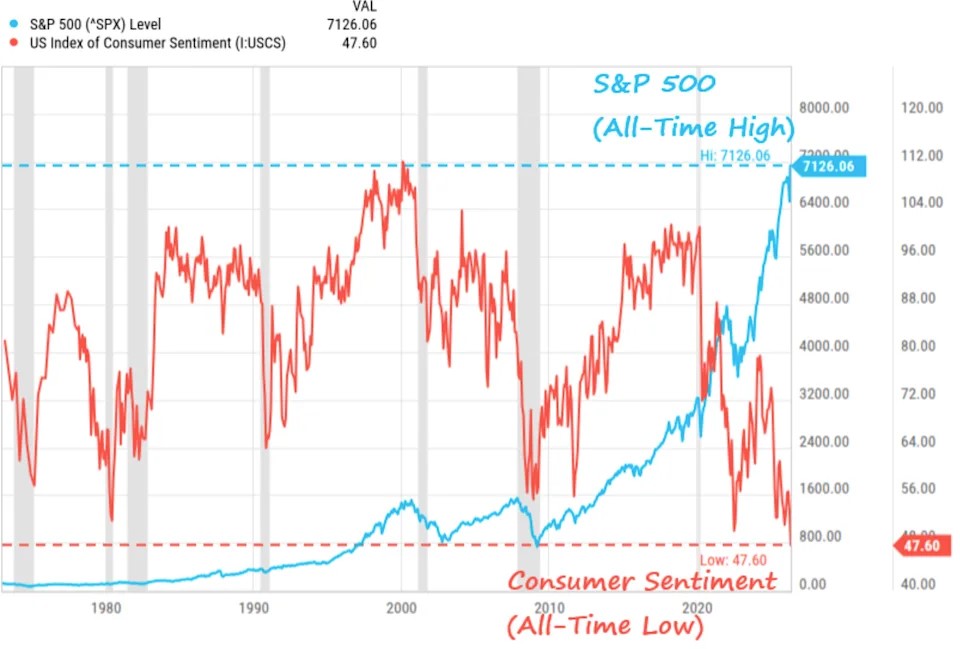
Chart from Creative Planning (investment manager)
This graph (recently created by Creative Planning) sums up the current state of affairs. The stock market is at all-time highs, and as such appears to reflect a vibrant, even red-hot economy. Meanwhile surveys, such as that by the University of Michigan, along with less-publicized stats and a blizzard of anecdotal evidence (such as can be found on social media), point to an economy in which a substantial portion of the population is at best struggling to keep their head above water in an economy beset by rising and increasingly overwhelming costs as well as other challenges. Record highs… and lows.
This situation is captured by the term “K-shaped economy,” leading to the famous quote by Charles Dickens found in the first sentence in A Tale of Two Cities. It was the best of times: a fantasy economy built on hype/speculation and what amounts to be a hope for miracles (AI)… as well as a ton of debt. The “real” economy meanwhile shows signs of a slowdown and widening cracks (including fallout from that shitload of debt). The mainstream stories deflect from reality with presentation of metrics that prop up an optimistic mirage narrative, that on closer inspection depict a much less rosy view of things.
It was the best of times…
If there is one thing that the cheerleaders love to point to is the spectacular rise of the market. The S&P 500 for instance has seen a phenomenal surge of 26% in the last 12 months. It marches up despite all sorts of headwinds, in particular the recent conflict with Iran (which triggered an elevated price of oil). Then there are the ongoing tariffs and the huge deficit. Other items include concerns over private credit and a moribund housing market, which has languished for… years. All of this met with either a shrug, or a temporary panic leading to a dip that is soon followed by a new surge. Since the onset of the Iran conflict a yo-yo behavior has occurred based on the weird performance of the OG, who has repeatedly declared a “deal” was “really close” (causing optimism with “investors” and a decline in the price of oil), only to be followed by the reality of fresh exchanges and bellicose talk from Iran (markets then dipping). The ensuing selloff would then be “saved” by renewed declarations of a deal close at hand, sending stocks up again. Rinse and repeat. But some slack could be given to these “investors” who, to be charitable, were distracted: the largest IPO in history was looming! History was going to be made… Update: has been made, as at the time of writing the IPO has indeed taken place, where quite a few millionaires were minted and Elon Musk became… a trillionaire. Truly a fantastic state of affairs!
Then there are a number of related stats that suggest the economy on the whole is doing quite well. Q1 GDP came in (initial estimate) at 2.0%, a pretty respectable reading. Employment in terms of recent BLS report also looked pretty good. In recent months there has been a “surge” in hiring, leading some to declare a “thaw” in a job market seemed to be going nowhere (no hire-no fire).
And they’re still spending! March for example saw a 1.7% increase in real retail sales. A pretty decent number and was the fastest increase in three years.
So why are so many down on the economy? Of course there is inflation, but then consider all that spending. The consumer, and economy, are “resilient” (a favored description). Other cheerleaders go further, such as Kevin Hassett (National Economic Council Director), who has, echoing the OG, proclaimed the great news that we are experiencing a new “golden age.” Hassett also stated that as a sign of consumer confidence “credit card spending is through the roof.” Right. Everything is just wonderful (for the majority of the population).
It was the worst of times.
And now comes the mass of countervailing stats and evidence. None of it hidden, just neglected, or pushed aside, in a perfect illustration of the dynamics of The Mirage. Btw, I see a combination of deliberateness and simple laziness (as to the latter – I have to wonder what the salary/income is for these reporters and commentators who hype a headline number but completely leave out the details).
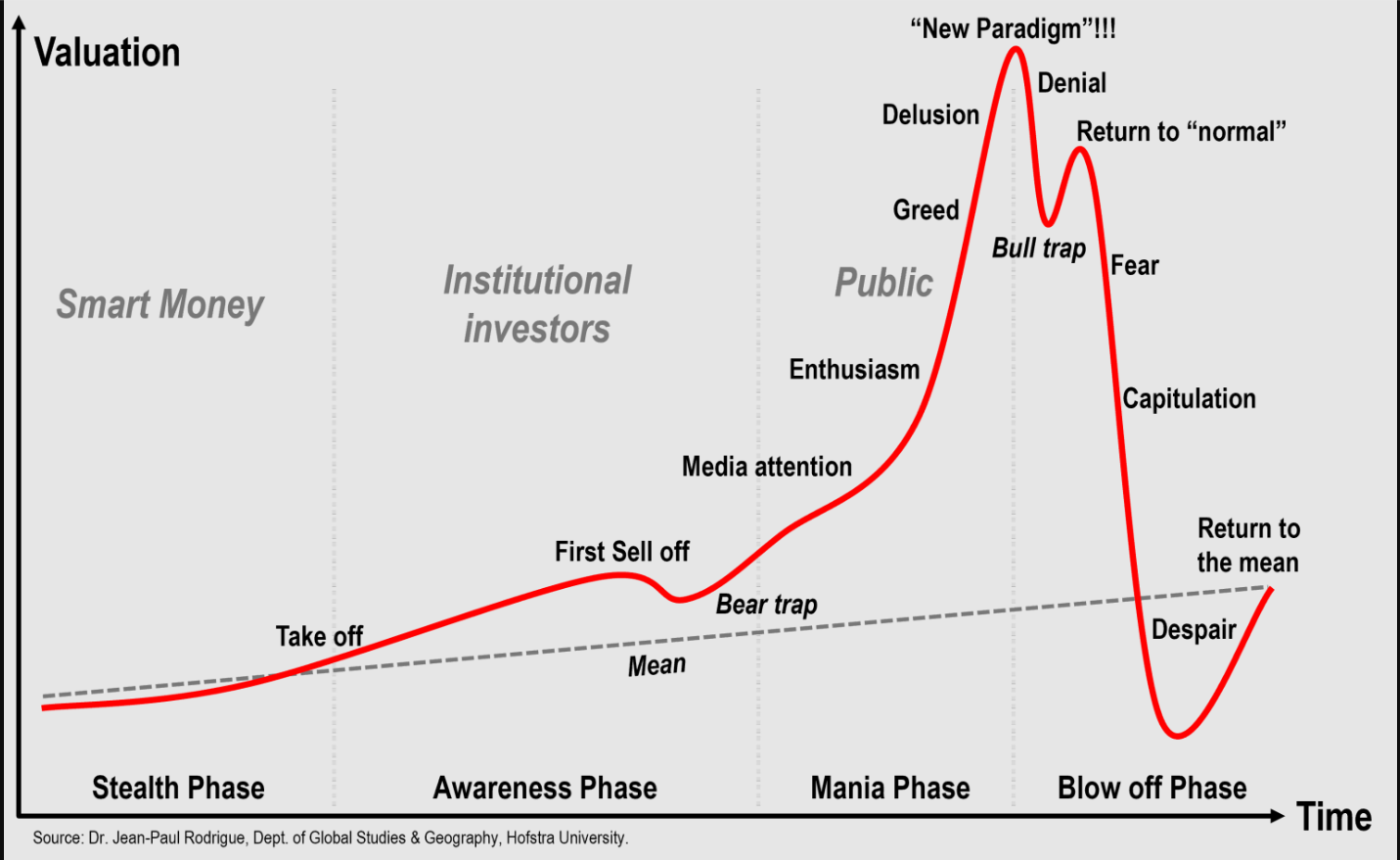
As for the stock market, a longer and deeper analysis will occur in later writing. One thing to bring up that gets to the core of the true state of the markets is breadth. As in, the markets are seeing a very narrow (and concerning) breadth. As the S&P 500 makes new all-time highs, less than 60% of components are above their 200 moving day average. Without going into technical details, this is not good. It means only a small number of stocks are behind the surge. Of course, they are all part of the AI trade. To put it succinctly, the market is fired up by a mania: the AI bubble.
Also, it should be noted that the top 10% (income tier) holds something like 90% of all stocks (I have seen figures ranging from 88% to 93%). There is a kind of dribble in retirement plans and the like, as well as some participation by retail investors, but the majority of Americans simply are not whooping it up at The Party at the markets.
Besides concerning details of the AI trade, including the phenomenon of “circular financing” (again, to be further discussed at a later times) which gives rise to the appearance of a kind of economic frenzy (that justifies the nosebleed valuations of the hyper-scalars), there is concern over private credit. In this sector an increasing number of investors want out, but a lot are meeting a wall in redemptions. This is occurring as some of these funds are getting into trouble over defaults.
The spectacle of the markets appears to overshadow and deflect from the true state of the economy and the consumer:
GDP
That initial 2.0% growth reading has been revised down to 1.6%. Not huge but significant. This revision came in the wake of the last revision for Q4 of last year: 0.5%. The initial estimate for Q4 was 1.4%… so stayed tuned.
Update! A second revision has it at 2.1%! Wow. No matter that along with this revision it was determined that consumer spending had… stalled.
Labor Market
This is supposedly a bright spot. Unemployment remains historically low at 4.3%; but don’t get too excited because one factor that is behind that decent rate is a decline in the participation rate, stemming from a steady exodus of potential workers (or those looking for work) from the workforce. In the last several months the number of new jobs has gone up – maybe not spectacular in number but enough to give an appearance of a kind of recovery. Except… the devil is in the details (again, the reporters and commentators for whatever reason don’t bother to read the report by the BLS). It turns out the majority of these new jobs are in the healthcare and leisure and hospitality sectors. The common thread of these sorts of jobs is low wages (see real wages further on).
And then there is a lot of anecdotal evidence that can be found especially in social media. Many workers who have been laid off report difficulty finding new work, describing frustration over sending out 100s of resumes leading to few or no interviews; the long-term unemployed number has been elevated for some time. Then we hear from college graduates who in general are finding increased difficulty in landing that first job (that actually relates to their area of study – and this includes computer and technical related degrees).
We hear of a lot of layoffs, such as from mega tech companies such as Meta and Oracle, involving 1,000s. That these are not spurious is based on mandated WARN notices. Note that many such jobs are accompanied by nice severance packages.
Overall, the picture is mixed, or rather muddied. As of this writing it is being reported that manufacturing jobs have fallen at the fastest rate since the pandemic. Hmm, not exactly reassuring news.
The Consumer
- As for retail sales, most mainstream sources leave out that a large portion of recent good news numbers is based on gasoline sales. In fact, 2/3rds of the sales increase was based on elevated gas prices. Let that sink in. That is hardly the story of a “resilient” consumer.
- Real wages – recently, has turned negative (from the BLS: real hourly earnings for all employees decreased by 0.1% from April to May)
- Consumer debt – $18.2 trillion
- Credit card delinquencies are marching up
- Savings rate – rock bottom at 4% (update: 3%)
- Many living paycheck-to-paycheck
- Home sales – languishing
- Warnings from CEOs of companies ranging from Home Depot to Dave and Buster’s concerning consumer behavior
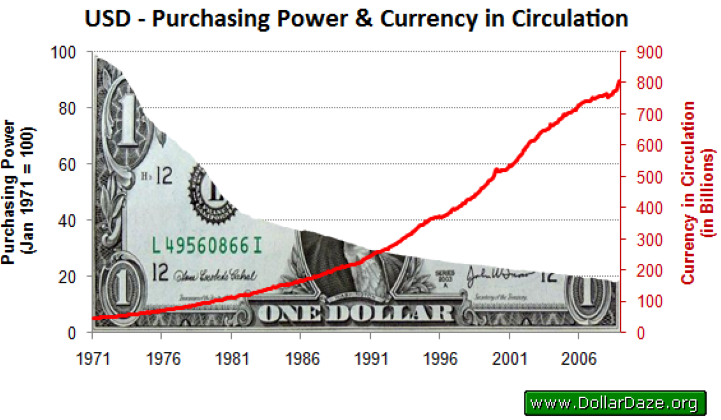
- Purchasing power – left out by most everyone most especially the Cheerleaders, but there has been a steady erosion (see the graph at the end)
At the Edge
Cheerleaders paint a picture of a booming economy.
While others experience an economy that is on the edge, and even in the process of slipping into recession… or worse.
One way to understand the contradiction that we witness is how the AI-mania is propping up the market, which then leads into the “wealth effect”: that top 10% who own the bulk of stocks appear to be doing nicely based on phenomenal stock market gains. This effect then explains why spending has seemingly held up. Namely, it has been found that approximately half of all consumer spending is from the… top 10%. So… the economy is being propped up by irrational exuberance (Greenspan) over AI and big tech, which are the basis of extremely high valuations, and of the “wealth” being enjoyed by… a relatively small segment of the population.
Does this not sound like a house of cards? And there is a potential big problem with the preceding. It appears that instead of the stock market being reliant on the (real) economy, it’s the other way around. As the wealthy prop up spending, they are essentially propping up the economy – an economy that if AI-related activity is taken out (CAPEX) is at best barely growing.
Another Divergence
Here’s another image embodying two diverging tales. Diverging, but correlated. Remember, for a substantial portion of the population the decline in purchasing power is increasingly being directly felt. For the rich? Those assets are surging in value, more than compensating for the dollar’s decline.